The Hidden Costs of Waiting to Buy Real Estatein Orlando

Many homebuyers in Orlando are waiting for the “perfect time” to buy. Some are hoping mortgagerates will drop. Others believe home prices will come down significantly. While waiting may seem like asmart financial move, there are hidden costs that most buyers don’t consider—and those costs can addup quickly.If you’re thinking about purchasing a home in Orlando, here’s what waiting could actually be costingyou.

Rising Home Prices Can Outpace Your Savings

One of the biggest risks of waiting is continued home price appreciation. While the Orlando market hasexperienced periods of cooling and adjustment, long-term trends continue to show strong demanddriven by population growth, job creation, and Florida’s tax advantages.Let’s say you’re looking at a $450,000 home today. If prices rise by just 4% over the next year, that samehome could cost $468,000. That’s an $18,000 increase—far more than most buyers can save by waitinga few extra months.The longer you wait, the more purchasing power you may lose.

Rent Payments Build Someone Else’s Equity

Many prospective buyers choose to continue renting while they wait for better market conditions. Theproblem is that rent payments don’t build ownership.If you’re paying $2,200 per month in rent, that’s $26,400 per year going directly to a landlord. Duringthat same period, a homeowner could be building equity through monthly mortgage payments andpotential appreciation.Waiting may feel financially safe, but continuing to rent often comes with a significant opportunity cost.

Mortgage Rates Might Drop—But Competition Could Increase

A common reason buyers delay purchasing is the expectation that interest rates will fall. While ratesmay eventually decline, lower rates often bring more buyers back into the market.When demand increases, competition rises.More buyers can lead to:• • • Multiple-offer situationsHigher sale pricesFaster-moving inventory1• Reduced negotiating powerIn other words, a lower rate environment could make it harder—not easier—to secure the home youwant.

Delaying Means Missing Potential Equity Growth

Real estate has historically been one of the most effective long-term wealth-building tools.Even modest appreciation can create substantial equity over time.For example:• Purchase Price: $450,000• Annual Appreciation: 4%• Equity Gained in One Year: Approximately $18,000Buyers who wait on the sidelines miss out on potential market gains while homeowners continuebuilding wealth through ownership.

Construction and Insurance Costs Continue to Rise

Florida homeowners have seen increases in construction costs, labor expenses, and insurancepremiums over recent years.As replacement costs increase, builders often raise prices on new construction homes. Insuranceadjustments can also impact future housing costs.Waiting doesn’t necessarily protect buyers from these increases—it may simply mean paying more later.

Inventory Can Change Quickly

The home that’s perfect for your family today may not be available six months from now.Many buyers become focused solely on rates and prices while overlooking lifestyle factors such as:• School districts• Commute times• Community amenities• Family needs• Future growth areasA great home in the right location can often provide more value than trying to perfectly time themarket

The Cost of Waiting Is Often Emotional Too

Beyond the financial side, waiting can delay important life goals:• Having more space for your family2• Building long-term stability• Creating a customized living environment• Establishing roots in your preferred communityHomeownership isn’t only a financial decision—it’s also a lifestyle decision.

So, Is Now the Right Time to Buy?

The best time to buy isn’t determined solely by market conditions. It’s determined by your personalfinancial readiness, long-term goals, and housing needs.Trying to predict the perfect moment in the market is extremely difficult—even for experiencedinvestors.Instead of asking, “Will rates be lower next year?” a better question may be:”Can I comfortably afford a home that meets my needs today?”If the answer is yes, waiting could end up costing more than moving forward.

Final Thoughts

While it’s natural to hope for lower rates or lower prices, many buyers underestimate the hidden costsof waiting. Rising home values, lost equity, ongoing rent payments, and increased competition can allmake future purchases more expensive.The Orlando real estate market continues to attract buyers from across the country, and opportunitiesstill exist for those who are prepared.Before deciding to wait, make sure you’re considering not only the visible costs—but the hidden ones aswell.Because in real estate, the price of waiting is often higher than most people realize.
The Truth About Buying New Construction Properties in Orlando in 2026

For years, Orlando was considered one of the hottest real estate markets in the United States. Builders couldn’t keep up with demand, buyers were entering bidding wars, and prices climbed aggressively. But 2026 is a completely different market — and that’s exactly why smart buyers are paying attention.

The truth is, buying a new construction property in Orlando in 2026 can either become one of the best financial decisions you make… or one of the most expensive mistakes — depending on how you approach it.

Here’s what buyers need to know before signing with a builder this year.

Orlando’s Market Has Shifted — And Buyers Finally Have Leverage

Unlike the ultra-competitive market of previous years, Orlando’s housing market in 2026 has become far more balanced. Inventory has increased, builders are sitting on unsold homes longer, and many communities are actively competing for buyers. (Fannie Hillman + Associates)

That means buyers now have something they didn’t have before:

  • Negotiation power
  • Builder incentives
  • More inventory choices
  • Less pressure to rush into decisions

Many builders across Central Florida are offering:

  • Mortgage rate buydowns
  • Closing cost assistance
  • Free upgrades
  • Appliance packages
  • HOA credits

Some builders are even offering interest rates significantly below the market average to move inventory faster. (nar.realtor)

This creates a rare opportunity for buyers who understand how to negotiate correctly.

The Biggest Myth About New Construction Homes

One of the biggest misconceptions buyers still believe is:

“Buying directly from the builder means I’m automatically getting the best deal.”

That’s not always true.

Builder sales representatives work for the builder — not for you. Their goal is to maximize the builder’s profit while moving inventory efficiently.

In many Orlando communities, the advertised “starting price” rarely reflects the actual final purchase price after:

  • Lot premiums
  • Structural upgrades
  • Design center selections
  • HOA fees
  • Closing costs
  • CDD fees and taxes

A home advertised at $420,000 can quickly become a $500,000+ purchase after upgrades and additional costs.

That’s why buyers must focus on the total cost of ownership, not just the base price

Builder Incentives Can Be Great — But Read the Fine Print

Builder incentives are one of the biggest advantages in 2026, but they also come with conditions.

Many builders require buyers to:

  • Use their preferred lender
  • Use their closing company
  • Close within strict timelines

Some low-rate offers are temporary buydowns, meaning the payment can increase significantly after the first few years. (Kiplinger)

Before accepting any incentive, buyers should compare:

  • The builder’s lender APR
  • Outside lender rates
  • Total monthly payment after incentive periods end
  • Long-term refinancing flexibility

Sometimes a slightly higher rate with better loan terms can save far more money over time.

Location Matters More Than Ever in 2026

Not every part of Orlando is performing equally.

Certain areas continue showing strong long-term demand because of:

  • Better schools
  • Infrastructure growth
  • Lifestyle communities
  • Employment access
  • Future development plans

Communities around:

  • Lake Nona
  • Winter Garden
  • Horizon West
  • Windermere
  • Dr. Phillips

continue attracting both homeowners and investors due to strong lifestyle appeal and long-term value retention. (Jared Jones Real Estate Team)

Meanwhile, some outer suburban corridors with heavy new construction supply are seeing softer demand and increased buyer leverage.

This is why choosing the right location matters more than simply choosing the newest home.

The Hidden Costs Buyers Ignore

Many first-time buyers focus only on mortgage payments and forget about the ongoing costs attached to new construction communities.

In Orlando, buyers should carefully evaluate:

  • HOA fees
  • CDD fees
  • Insurance costs
  • Property taxes
  • Maintenance expenses
  • Commute costs

Florida insurance costs have become a major factor in affordability calculations, especially in newer suburban developments.

A lower-priced home with high monthly fees can actually become more expensive than a slightly higher-priced property in a stronger location.

Why Some Buyers Still Prefer Resale Homes

New construction has advantages:

  • Modern layouts
  • Energy efficiency
  • Lower maintenance
  • Smart-home features
  • Builder warranties

But resale homes still offer benefits many buyers overlook:

  • Larger lots
  • Mature neighborhoods
  • Better landscaping
  • Lower HOA fees
  • More established communities

In some Orlando neighborhoods, resale homes are now competing aggressively with builders on pricing because of rising inventory levels. (nar.realtor)

That means buyers should compare both options instead of assuming new construction is automatically better.

The Smartest Strategy for Buying in 2026

The buyers winning in Orlando’s 2026 market are not the ones rushing.

They are the ones who:

  • Compare multiple builders
  • Negotiate incentives aggressively
  • Research future development plans
  • Understand financing structures
  • Prioritize location over upgrades
  • Think long-term instead of emotionally

This market rewards patience and strategy.

The reality is that Orlando remains one of Florida’s strongest long-term growth markets because of population growth, tourism, infrastructure expansion, and business development. (Fannie Hillman + Associates)

But buying the wrong property — in the wrong community — with the wrong financing structure can still become a costly mistake.

Final Thoughts

Buying a new construction property in Orlando in 2026 is no longer about simply securing any available home before prices rise again.

Today’s market is about leverage, negotiation, and smart decision-making.

For buyers who do proper research, compare builders carefully, and focus on long-term value rather than flashy upgrades, 2026 could become one of the best buying windows Orlando has offered in years.

The opportunity is real.

But only for buyers who understand the full picture.

Is the Orlando Housing Market Overpriced Right Now?

The Orlando housing market has been one of the hottest in the U.S. over the past few years. Prices surged during the pandemic boom, driven by migration, low interest rates, and strong economic growth.

But in 2026, things look very different.

So the big question is:
Is Orlando overpriced right now — or is this just a normal market shift?

Let’s break it down with real data.

Orlando Housing Market Snapshot (2026)

Here’s what the latest data tells us:

  • Average home value: ~ $374,000 (down ~3.5% YoY)
  • Median sale price: ~ $379K – $410K range
  • Price change: Flat to slightly negative YoY (-1% to -7.9%)
  • Time on market: ~38–54 days
  • Inventory: Rising (highest levels in years)

Translation:
The market is cooling, not crashing.

What “Overpriced” Actually Means

A market is considered overpriced when:

  • Prices are rising faster than incomes
  • Demand is falling but prices stay high
  • Inventory builds up with fewer buyers
  • Affordability becomes stretched

Now let’s apply this to Orlando.

1. Prices Are Already Correcting

After years of aggressive growth, Orlando is finally seeing a price adjustment.

  • Home values dropped around 3–4% in the past year
  • Some months saw declines as steep as -7.9% YoY

This is important:

If a market were truly overpriced and still inflating, prices would keep rising.
Instead, Orlando is self-correcting.

2. Inventory Is Rising → More Buyer Power

One of the biggest shifts in 2026:

  • Listings are up, giving buyers more choices
  • Orlando is now leaning toward a buyer-friendly market

This reduces pressure on prices.

During 2021–2022: sellers had total control
In 2026: buyers can negotiate again

3. Affordability Is Still a Problem

Even though prices are stabilizing:

  • Mortgage rates are still around ~6%+
  • Prices are still ~60% higher than 2019 levels

That means:

Homes feel expensive — even if prices are no longer skyrocketing.

So psychologically, many buyers still see the market as “overpriced.”

4. Orlando Is Transitioning to a Balanced Market

Key indicator:

  • Supply levels around 4+ months = balanced market territory

Also:

  • National forecasts show only ~1–2% price growth in 2026
  • Florida markets (including Orlando) may even see slight declines (~1.9%)

This is no longer a hype-driven market.
It’s becoming stable and predictable.

5. Demand Is Still Strong (Long-Term)

Despite short-term cooling:

  • Orlando continues to attract:
    • Remote workers
    • Investors
    • Tourism-driven jobs

Major developments and economic expansion continue boosting demand.

This is why prices are not collapsing.

Final Verdict: Is Orlando Overpriced in 2026?

Short answer: No — but it feels overpriced.

Here’s the reality:

  • Prices are correcting
  • Inventory is rising
  • Buyers have more power
  • Market is stabilizing

But:

  • Homes are still expensive relative to income
  • Mortgage rates keep affordability tight
  • Prices remain far above pre-2020 levels

Smart Takeaways (For Buyers & Investors)

If You’re a Buyer:

  • You now have negotiation leverage
  • Look for motivated sellers and price reductions
  • Focus on value rather than timing the market

If You’re an Investor:

  • Orlando is shifting from speculation to fundamentals
  • Focus on cash flow, rental demand, and strong locations

If You’re a Seller:

  • Overpricing leads to longer time on market
  • Correct pricing still attracts serious buyers

Is the Orlando Housing Market Overpriced Right Now? 

Introduction

The Orlando housing market has been one of the fastest-growing in the U.S. over the past few years. But heading into 2026, buyers and investors are asking a critical question:

Is Orlando overpriced — or is this just a normal market correction?

The answer is not black and white. The data shows a market that is cooling, stabilizing, and rebalancing — not collapsing.

Let’s break it down using real numbers.

Orlando Home Prices in 2026: What the Data Says

As of early 2026:

  • Median home prices range between $374,000 – $385,000 (Spectrum News 13)
  • Prices are down 3%–8% year-over-year depending on the dataset (Redfin)
  • Many homes are selling below asking price (Zillow)
  • Average days on market has increased (slower sales pace)

This is a major shift from the pandemic boom (2020–2022), when prices were skyrocketing and bidding wars were common.

What this means:

Prices are no longer rapidly increasing — they are adjusting downward toward more realistic levels.

Price vs Income: The Real Overpricing Problem

To understand whether a market is overpriced, you have to look at affordability, not just price.

Here’s the key issue:

  • Home prices have risen 53% since 2019
  • Household incomes have only risen 24% (Florida Realtors)

What this means:

Even though prices are stabilizing, homes are still expensive relative to what people earn.

This is why many buyers feel the market is overpriced — because affordability is stretched.

Supply & Demand Shift: Why Prices Are Cooling

The Orlando market is shifting due to three major factors:

1. Rising Inventory

  • Active listings have increased significantly (some reports show 20–25% growth) (DJ & Lindsey Real Estate)
  • More choices = less urgency for buyers

2. Slower Demand

  • Higher mortgage rates reduced buyer activity
  • Fewer bidding wars

3. Seller Behavior Changing

  • ~68% of homes selling below list price (Zillow)
  • More negotiations and concessions

Result:

The market is transitioning from a seller’s market → balanced (even buyer-friendly in some areas).

Is Orlando Overpriced Compared to the Past?

Short answer:
Yes — compared to pre-2020 levels.
No — based on current market conditions.

Here’s why:

  • Prices surged rapidly during the pandemic (artificial spike)
  • 2025–2026 is a correction phase, not a crash (Home Buying Institute)
  • Prices are now stabilizing around long-term sustainable levels

Think of it like this:

Orlando isn’t overpriced today — it was overheated before, and now it’s cooling.

Is Orlando Overpriced Compared to Other Cities?

Surprisingly, Orlando is still considered relatively affordable compared to many major U.S. markets.

  • Median prices remain in the mid-$300Ks range
  • Lower than cities like Miami, Austin, or NYC
  • Strong demand driven by:
    • Population growth
    • Tourism economy
    • Job expansion

This continued demand helps support prices even during corrections.

2026 Market Forecast: What Happens Next?

Most forecasts agree on the following trends:

  • Prices may decline slightly or stay flat short-term (Realtor)
  • Long-term growth expected around 3–5% annually (dregorlando.com)
  • Market will remain stable, not crashing

Key takeaway:

We are entering a “normal” market cycle after years of abnormal growth.

So… Is It a Good Time to Buy?

It might actually be one of the best windows in years.

Here’s why:

  • Less competition
  • More inventory
  • Negotiation power is back
  • Sellers are more flexible

This is very different from 2021–2022 when buyers had almost no leverage.

Final Verdict

Is the Orlando housing market overpriced in 2026?

Data-driven answer:

  • Overpriced relative to income → Yes
  • Overpriced relative to current market conditions → No
  • In a bubble → No

The reality:

Orlando is in a healthy correction phase, moving toward a more balanced and sustainable market.

What Smart Buyers Are Doing Right Now

  • Targeting homes that have been on the market longer
  • Negotiating below asking price
  • Locking in deals before prices stabilize again
  • Focusing on long-term value (3–5+ years)

If you’re thinking about buying or investing in Orlando, now is the time to act strategically — not emotionally.Want help finding undervalued properties in Orlando?
Contact us today and get access to the best deals before they’re gone.

Why are homes sitting on the Market in Orlando? (Even in a Good Market)

As a real estate agent in Orlando, Florida, one of the most common questions I hear from sellers is: “Why isn’t my home selling when other homes seem to be moving?” The truth is, even in a strong Orlando real estate market, some homes sit longer than expected—and it’s usually not by accident.

In this article, I’ll break down the real reasons homes sit on the market in Orlando, FL, and what sellers can do differently to avoid costly delays.

Overpricing Based on Emotion, Not Data

Pricing is the number one reason homes sit on the market in Orlando. Many sellers price based on what they need to make or what a neighbor’s home sold for months ago. The Orlando housing market is hyper-local and constantly changing.

Buyers today are educated. They compare your home to every similar property online before ever scheduling a showing. When a home is priced even slightly above market value, it often gets skipped entirely.

Poor Online Presentation

More than 95% of buyers start their home search online. If your listing photos, description, or overall presentation don’t stand out, buyers move on quickly.

Common issues I see:

  • Dark or low-quality photos
  • No staging or cluttered spaces
  • Descriptions that focus on features instead of benefits

In competitive Orlando neighborhoods, first impressions are everything.

Location Micro-Issues Buyers Care About

Two homes can be priced the same and look similar, yet one sells faster due to micro-location factors. Buyers pay attention to:

  • Busy roads or backing up to commercial areas
  • School zone changes
  • Proximity to highways or train tracks

These details matter more than many sellers realize.

HOA Rules & Restrictions

Orlando has many HOA communities, and buyers are becoming more cautious. Strict rental restrictions, high monthly dues, or pending assessments can stop a buyer from moving forward.

How to Prevent Your Home from Sitting

Homes that sell quickly in Orlando usually share three things: correct pricing, strong marketing, and a clear strategy. My job is to identify obstacles before your home hits the market.

If you’re thinking about selling your home in Orlando, Florida and want an honest strategy, I’d love to help.

Frequently Asked Questions (FAQ)

1. How long does it typically take to sell a home in Orlando?

While the “Average Days on Market” (DOM) fluctuates based on the season and interest rates, a well-priced home in a desirable Orlando neighborhood usually sees serious offers within the first 21 to 30 days. If you hit the 45-day mark with no offers, it’s time to re-evaluate your price or presentation.

2. Should I lower my price if I’m not getting any showings?

If you’ve had 10+ showings and no offers, the market is telling you the price is slightly high. If you aren’t getting any showings at all, your price is likely significantly decoupled from the home’s current market value or your online photos are deterring buyers.

3. Does the “New Listing” status really matter?

Absolutely. In Orlando’s fast-paced market, the first 14 days are your “Golden Window.” This is when your home has the most visibility on platforms like Zillow and Realtor.com. Once a listing feels “stale,” buyers begin to wonder what is wrong with the property, often leading to lower-than-average offers.

4. Will making repairs help my home sell faster?

In most cases, yes. Buyers in Florida are often looking for “turn-key” properties. Addressing “red flag” items like an aging roof (crucial for insurance in Florida), outdated AC units, or peeling exterior paint can prevent a deal from falling through during the inspection period.

5. Can I sell my home if it’s located in a high-HOA fee community?

Yes, but the strategy changes. We have to market the value of the amenities. If your HOA fees are high, we emphasize the “resort-style living,” security, or included utilities to ensure the buyer sees the lifestyle benefits rather than just the monthly cost.

Ready to get your Orlando home moving?

If your home has been sitting or you’re preparing to list and want to avoid these common pitfalls, let’s chat. I provide a data-driven Market Analysis to ensure we hit the ground running.

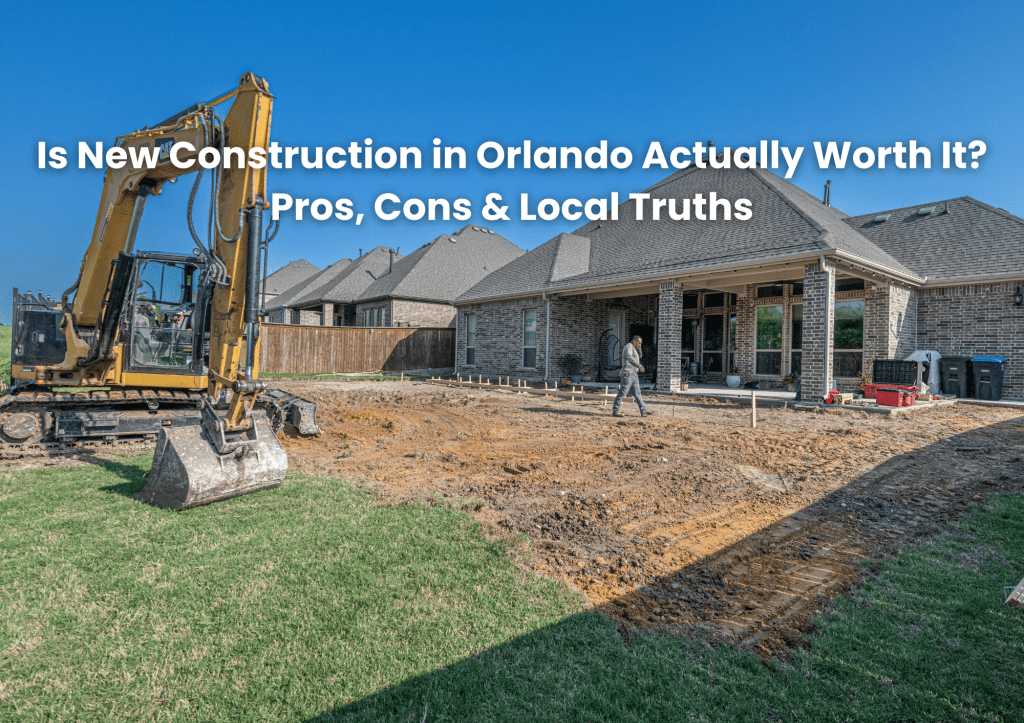
Is New Construction in Orlando Actually Worth It? Pros, Cons & Local Truths

New construction homes are everywhere in Orlando, Florida—but are they really worth it? As an Orlando real estate agent who works with both resale and new construction buyers, I always say: it depends.

Let’s talk honestly about the pros and cons of buying a new construction home in Orlando.

The Pros of New Construction in Orlando

Builder Incentives

Many builders offer incentives like closing cost assistance or rate buydowns, which can be attractive in today’s market.

Modern Design & Energy Efficiency

New homes often include open layouts, energy-efficient features, and modern finishes that buyers love.

The Cons Buyers Don’t Expect

Higher Base Prices Than Advertised

The advertised price rarely includes upgrades, lot premiums, or structural options.

Long Build Timelines

Construction delays are common due to permits, materials, or weather.

HOA and CDD Fees

Most new construction communities in Orlando come with HOA and CDD fees, which increase monthly expenses.

Who New Construction Is Best For

New construction works best for buyers who:

  • Are flexible on timelines
  • Want low maintenance
  • Plan to stay long-term

Frequently Asked Questions:

1. Are new construction homes in Orlando cheaper than resale right now?

The SEO Focus: Orlando new construction vs. resale prices The Answer: Surprisingly, yes. In 2026, the median price for new builds in Central Florida has stayed competitive—and often lower—than existing homes. This is largely due to builders increasing inventory in areas like St. Cloud and Davenport to meet demand. While a resale home may have a lower “sticker price,” once you factor in the cost of a new roof, HVAC repairs, and higher insurance premiums for older Florida homes, new construction often provides a better total value.

2. What builder incentives are available for Orlando new homes in 2026?

The SEO Focus: Orlando home builder incentives / mortgage rate buydowns The Answer: To stay competitive, Orlando builders are currently offering aggressive financial packages. The most popular 2026 incentives include permanent interest rate buydowns (often bringing rates into the 5% range), and closing cost credits ranging from $10,000 to $25,000. Some builders in master-planned communities like Lake Nona or Winter Garden are also including “flex cash” that can be used for design center upgrades or to reduce the home’s sales price.

3. Is new construction in Florida better for homeowners insurance?

The SEO Focus: New construction Florida insurance savings / hurricane building codes The Answer: Absolutely. Because new Orlando homes are built to the latest Florida Building Codes, they qualify for significant “wind mitigation” discounts. Features like hurricane straps, impact-resistant windows, and reinforced garage doors make these homes much cheaper to insure than homes built before 2002. In many cases, insurance for a new build can be 30–50% less than a similarly sized resale property, saving you thousands of dollars annually.

4. What are the hidden costs of buying a new home in Central Florida?

The SEO Focus: Hidden costs of new construction / Orlando CDD fees The Answer: The biggest “hidden” cost in Orlando is the CDD fee (Community Development District), common in newer areas like Horizon West. This fee covers neighborhood infrastructure and is added to your property taxes. Additionally, remember that the “starting price” rarely includes the lot premium or landscaping/window treatments, which many builders leave to the buyer. Always budget an extra 2%–5% of the base price for these essential finishing touches.

Meet Fabiola Meneses

I’m a bilingual Orlando REALTOR® with Wemert Group Realty, and I’ve been helping families navigate the Central Florida market since 2014. With a background in civil engineering, I offer my clients more than just market data—I provide a technical eye for construction and a precise approach to negotiations. Whether you are selling or buying a home in Orlando. my goal is to ensure you aren’t just getting a high offer, but the right offer for your future.

Don’t leave your home sale to chance. Let’s work together to find the offer that truly meets your goals.

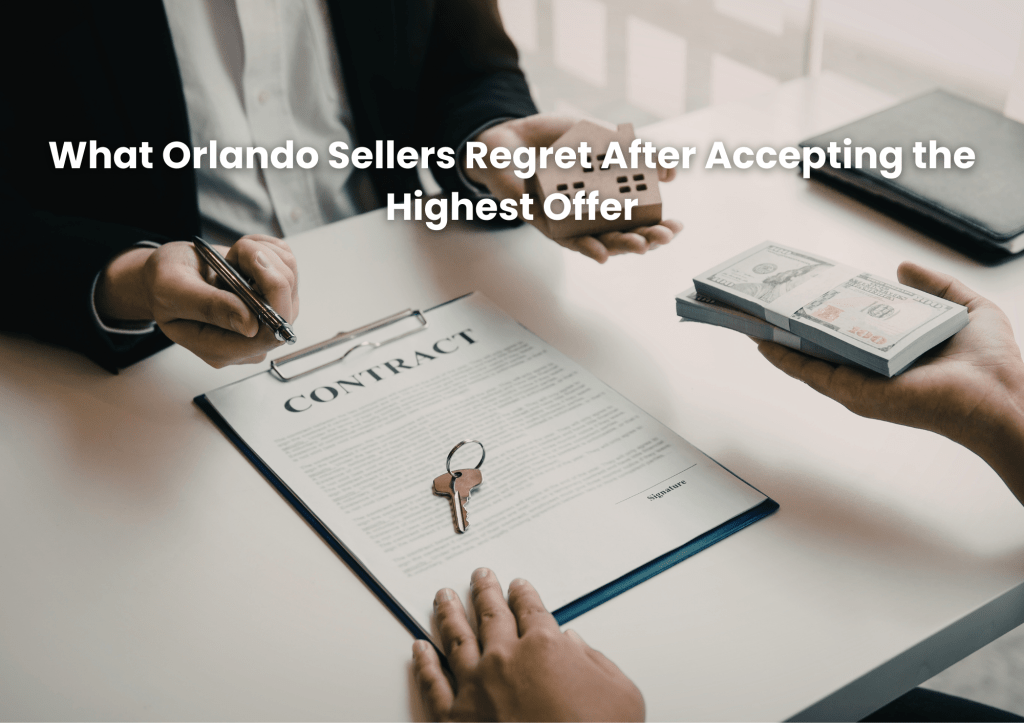
What Orlando Sellers Regret After Accepting the Highest Offer

What Orlando Sellers Regret After Accepting the Highest Offer

As a Realtor in Orlando, I often see sellers celebrate when they receive the highest offer on their home—only to face unexpected regrets later. While getting top dollar feels like a win, there are several factors that can make even the best offer less than ideal.

1. Ignoring Terms and Contingencies
The highest offer isn’t always the most reliable. Sometimes, sellers overlook contingencies that could complicate the sale, like financing or inspection contingencies. A buyer might get approved for a mortgage but still face hurdles, which can delay or even derail the closing.

2. Overlooking Flexibility Needs
Sellers often forget to consider their own timeline and needs. An offer with the highest price may come with a closing date that doesn’t align with the seller’s move, creating unnecessary stress and logistical challenges.

3. Not Considering Buyer Reliability
A high offer is attractive, but not all buyers are equally dependable. Sellers sometimes regret not evaluating the buyer’s financial stability or motivation to close. A less-than-serious buyer can create headaches even with the “best” offer.

4. Waiving Negotiation Opportunities
Focusing solely on price can cause sellers to miss out on better overall terms. Sometimes slightly lower offers with fewer contingencies, faster closings, or more favorable conditions end up being smoother and safer for the seller.

5. Emotional Decision-Making
It’s easy to get caught up in the excitement of a high offer, but emotion-driven decisions can lead to regret. Taking time to review the complete package and consult with a professional can prevent costly mistakes.

Bottom Line
Accepting the highest offer in Orlando doesn’t always mean the sale will be stress-free or perfectly aligned with your goals. Having an experienced Realtor by your side ensures that you’re looking at the full picture—price, terms, contingencies, and timing—so you make the smartest decision.

Frequently Asked Questions

1. If I don’t take the highest offer, am I “leaving money on the table”?
Not necessarily. A high offer that falls through after three weeks of inspections costs you more in carrying costs (mortgage, utilities, taxes) and market momentum. Often, a slightly lower offer with a “clean” contract (fewer contingencies and a solid down payment) results in more actual cash in your pocket at the closing table because there is less risk of credits or price re-negotiations.

2. What is the most dangerous contingency to look out for in Orlando?
While every sale is different, financing contingencies paired with a low down payment are often the most unpredictable. If a home doesn’t appraise for that record-high offer price, the deal could collapse unless the buyer has the cash to bridge the gap. Always look for an “Appraisal Gap Guarantee” if you’re leaning toward a high-priced offer.

3. How do I know if a buyer is actually “reliable” before I sign?
We look for “proof of funds” and a strong Pre-Approval Letter (not just a pre-qualification). Additionally, your Realtor can call the buyer’s lender to gauge how far along they are in the underwriting process. A buyer who has already had their income and assets verified is much more reliable than one who just started the process.

4. Can I ask a high-offer buyer to match the terms of a lower, cleaner offer?
Absolutely. This is called a counter-offer. If Buyer A offers the most money but has a 60-day closing window, and you need to move in 30 days, we can counter-offer on the timeline. You have the power to negotiate the “price” and the “terms” simultaneously to create your ideal scenario

Meet Fabiola Meneses

I’m a bilingual Orlando REALTOR® with Wemert Group Realty, and I’ve been helping families navigate the Central Florida market since 2014. With a background in civil engineering, I offer my clients more than just market data—I provide a technical eye for construction and a precise approach to negotiations. Whether you are selling or buying a home in Orlando. my goal is to ensure you aren’t just getting a high offer, but the right offer for your future.

Don’t leave your home sale to chance. Let’s work together to find the offer that truly meets your goals.

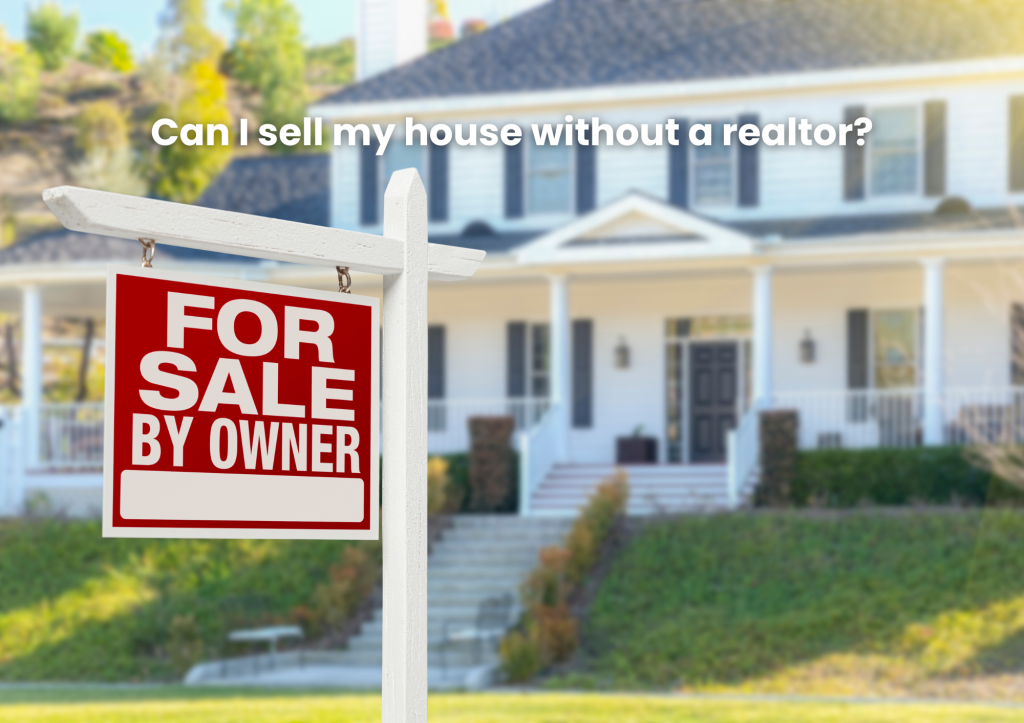
Can I sell my house without a realtor?

Short Answer Breakdown

  • Selling without a realtor is legal in Florida
  • You control pricing, marketing, and negotiations
  • You must handle contracts, disclosures, and deadlines yourself
  • Buyers may still be represented by agents
  • Mistakes can cost more than commissions saved

Expanded Explanation

Selling a home without a realtor appeals to many Orlando homeowners because it feels straightforward: list the home, find a buyer, and avoid paying commission. In practice, FSBO transactions shift every professional responsibility onto you as the seller.

In Orlando, buyers are active, but they are also highly informed. Many are represented by agents, using standardized contracts, inspections, financing contingencies, and strict timelines. When you sell without representation, you are expected to understand and manage all of this.

Pricing is often the first challenge. Online estimates can give a range, but they don’t reflect buyer psychology, current competition, or how condition and concessions impact final price. Overpricing leads to extended time on market. Underpricing can leave money on the table.

Marketing is another hurdle. Most buyers search through the MLS, which FSBO listings do not automatically access unless you pay for limited-service exposure. That means fewer qualified buyers see your home, even in a strong Orlando market.

Negotiation and paperwork are where most FSBO sellers feel the pressure. Florida contracts are legally binding, deadlines matter, and disclosures are mandatory. A missed detail can delay closing, create liability, or cause a deal to fall apart late in the process.


Common Misconceptions About FSBO Sales

Many homeowners assume selling without a realtor simply means skipping marketing help. In reality, you are replacing an entire system.

One common misconception is that buyers will trust the process more because there is “no agent pressure.” In practice, buyers often become more cautious without a neutral professional managing the transaction.

Another misunderstanding is that saving commission automatically means netting more money. If pricing, negotiation, or inspection handling goes wrong, the financial outcome can be worse than using representation.

Some sellers also believe contracts are just templates. Florida real estate contracts are enforceable agreements with strict performance dates. Small mistakes can have real consequences.


Important Considerations for Orlando Sellers

Orlando’s market includes first-time buyers, investors, relocation buyers, and cash purchasers. Each group negotiates differently. Without representation, you must recognize these differences and respond appropriately.

Disclosure requirements are another critical factor. Florida law requires sellers to disclose known material defects. Failing to do so can create legal exposure even after closing.

You should also consider time and emotional bandwidth. Showings, negotiations, inspection requests, appraisal issues, and lender conditions all require fast, informed responses. Many FSBO sellers underestimate how consuming this process becomes.

Finally, even if you sell without a realtor, the buyer may still have one. That agent is legally obligated to protect the buyer’s interests — not yours.


FAQ

Is it legal to sell a house without a realtor in Florida?

Yes. Florida law allows homeowners to sell their property without using a real estate agent.

Do I still need a lawyer if I sell FSBO?

While not legally required, many FSBO sellers hire a real estate attorney to review contracts and closing documents.

Will buyers avoid my home if it’s FSBO?

Some buyers are open to FSBO homes, but many rely on agents and MLS searches, which can limit exposure.


Final Thoughts

Selling your house without a realtor in Orlando is possible, but it isn’t passive. You’re trading commission savings for responsibility, risk, and time. For some sellers, that tradeoff makes sense. For others, the structure and protection of professional guidance outweigh the cost.

Next Steps
If you’d like help navigating this topic, reach out to a qualified real estate professional or continue exploring helpful resources.

How to Price Your Home Correctly in Today’s Market

Wondering how to price your home correctly in today’s market so it actually sells — without leaving money on the table?

The right price isn’t about guessing or chasing the highest number you see online. It’s about positioning your home strategically so buyers respond quickly and competitively.

Why Pricing Matters More Than Ever Right Now

Today’s buyers are more informed than ever. They’re watching price reductions, tracking days on market, and comparing homes carefully before making a move. If your home is priced too high, it doesn’t just sit — it gets skipped.

When a home misses that initial window of attention, sellers often end up:

  • Reducing the price later
  • Losing negotiating leverage
  • Accepting less than they could have with the right strategy upfront

Correct pricing creates urgency. Incorrect pricing creates doubt.

The Biggest Pricing Mistake Sellers Make

One of the most common mistakes is pricing based on:

  • What a neighbor’s home sold for months ago
  • What you need to net
  • An online estimate that doesn’t reflect current buyer behavior

The market doesn’t price homes emotionally — buyers price homes based on value, condition, and comparison. Your strategy needs to do the same.

How the Right Price Is Actually Determined

Pricing your home correctly is part data, part strategy.

Here’s what truly matters:

1. Recent Comparable Sales

The strongest pricing indicators are homes that:

  • Sold recently (not last year)
  • Are similar in size, layout, and condition
  • Are in your immediate area

Active listings matter too, but sold homes show what buyers are actually willing to pay.

2. Current Competition

Your home doesn’t exist in a vacuum. Buyers will compare it to:

  • Other active listings
  • Homes with recent price reductions
  • Properties offering incentives or updates

Your price should help your home stand out, not blend in.

3. Buyer Behavior Today

In today’s market, buyers are value-conscious. Homes that feel overpriced get less showing activity, which often leads to longer market time and eventual price cuts.

The goal is to price your home where buyers feel confident making a strong offer — not hesitant or skeptical.

Why “Testing the Market” Can Backfire

Many sellers want to “try a higher price and see what happens.” The risk? The first few weeks are when your listing gets the most attention.

If buyers pass early on, they often don’t come back — even after a price reduction. Instead of testing the market, the smarter move is to enter the market aligned with it.

Strategic Pricing Creates Better Outcomes

Homes priced correctly from day one tend to:

  • Attract more qualified buyers
  • Receive stronger offers earlier
  • Spend less time on the market
  • Maintain seller leverage during negotiations

This isn’t about underpricing — it’s about positioning.

How a Local Expert Helps You Price with Confidence

Online tools can’t account for:

  • Condition differences
  • Layout advantages
  • Buyer demand in specific Orlando neighborhoods
  • Subtle shifts happening right now

As a local REALTOR® in Orlando, Florida, Fabiola Meneses helps sellers understand not just what homes sold for — but why they sold for that price and how to use that insight to your advantage.

What should buyers do before making an offer on a home?

Before you write an offer, you should prepare financially, understand the market, clarify your priorities, and have a clear strategy—so you don’t overpay, hesitate, or lose the home altogether.

Get Fully Pre-Approved (Not Just Pre-Qualified)

One of the biggest mistakes buyers make is assuming pre-qualification is enough. It’s not.

Before making an offer, you should have a full pre-approval in place. This means your income, assets, and credit have already been reviewed, not just estimated. A strong pre-approval:

  • Shows sellers you’re serious
  • Helps you move quickly when the right home comes up
  • Reduces surprises later in the process

Knowing your real numbers upfront allows you to write an offer with confidence instead of hesitation.

Understand the Local Market You’re Buying In

Every market behaves differently—and even within Orlando, conditions can vary by neighborhood, price range, and property type.

Before making an offer, you should understand:

  • How quickly homes are selling
  • Whether sellers are receiving multiple offers
  • What types of terms sellers are responding to right now

This context matters. A strategy that works in one area or price point may not work in another. As a buyer, you don’t just need to like the home—you need to know how to compete for it intelligently.

Clarify Your Must-Haves vs. Nice-to-Haves

It’s easy to get emotional when touring homes. That’s why clarity before making an offer is so important.

Ask yourself:

  • What features are non-negotiable?
  • What can you be flexible on?
  • What would cause you to walk away?

Having these answers ahead of time prevents rushed decisions and post-offer regret. It also helps you act decisively when the right opportunity appears.

Review Comparable Sales Before You Decide on Price

A smart offer is based on data, not just the list price.

Before making an offer, you should review recent comparable sales to understand:

  • What similar homes have actually sold for
  • How this home compares in condition and features
  • Whether the asking price aligns with market value

This step helps you avoid overpaying—and just as importantly, helps you avoid under-offering and losing a home you really want.

Know Your Ideal Offer Terms Ahead of Time

Price is only one part of an offer. Terms matter, too.

Before you submit an offer, you should already know:

  • Your preferred closing timeline
  • Your comfort level with contingencies
  • How flexible you can be if needed

When you know your boundaries in advance, you’re able to move quickly and strategically instead of scrambling to decide under pressure.

Talk Through Strategy Before You Write the Offer

The most successful buyers don’t wing it—they plan.

Before making an offer, it’s important to talk through:

  • Offer price strategy
  • Strengths and weaknesses of the home
  • How competitive the situation may be
  • Possible next steps if negotiations arise

As a Realtor in Orlando, Florida, I help buyers prepare before the offer stage so they feel confident, informed, and ready—not rushed or uncertain.

Final Takeaway

Making an offer is one of the most important moments in the buying process. When you prepare ahead of time—financially, strategically, and mentally—you put yourself in a stronger position to succeed and enjoy the process.

Ready to Make a Smart Offer?

If you’re thinking about buying a home in Orlando and want help preparing before you make an offer, let’s talk.


Schedule a consultation with me, Fabiola Meneses, Realtor in Orlando, Florida, and we’ll build a clear, confident plan together—so you’re ready when the right home comes along.